At the end of the peninsular where we are based, are the remains of a very old city called Knidos. It dates from a staggering 6BC and at one time or another was a thriving place, but after being partially destroyed by earthquakes and only being accessible by sea, it eventually became abandoned, fell into ruin and in time, got completely forgotten about!
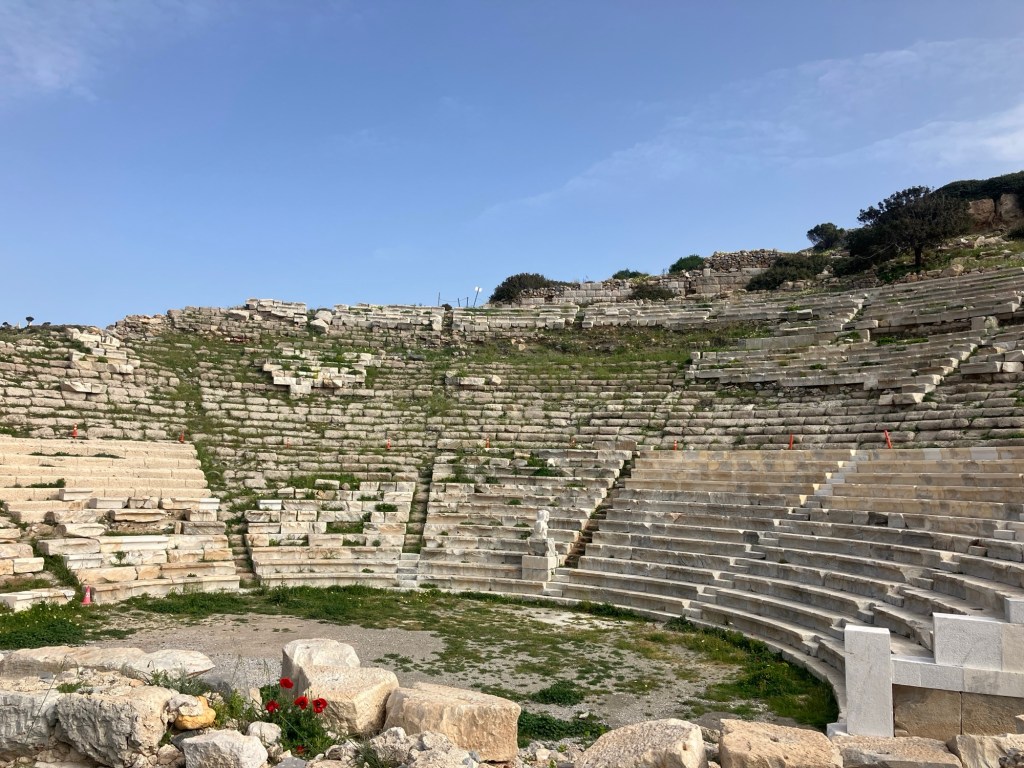
We’d heard about it while researching our previous visit to Datça, but back then, the road was un-paved and we couldn’t face making the slow bumpy journey. This time around, we found that the (not exactly smooth) tarmac makes it all the way, giving a drive time of just under an hour. It was worth the twists and turns to arrive at this incredible amphitheatre.
Needless to say, having driven a hour down a dead end road to the tip of a remote peninsular, the place was deserted apart from a small gang of archaeologists/builders and surprisingly, a man in a tiny kiosk, selling entrance tickets. For a very reasonable five euros, we were given free run of the entire site and free to wander where we pleased.
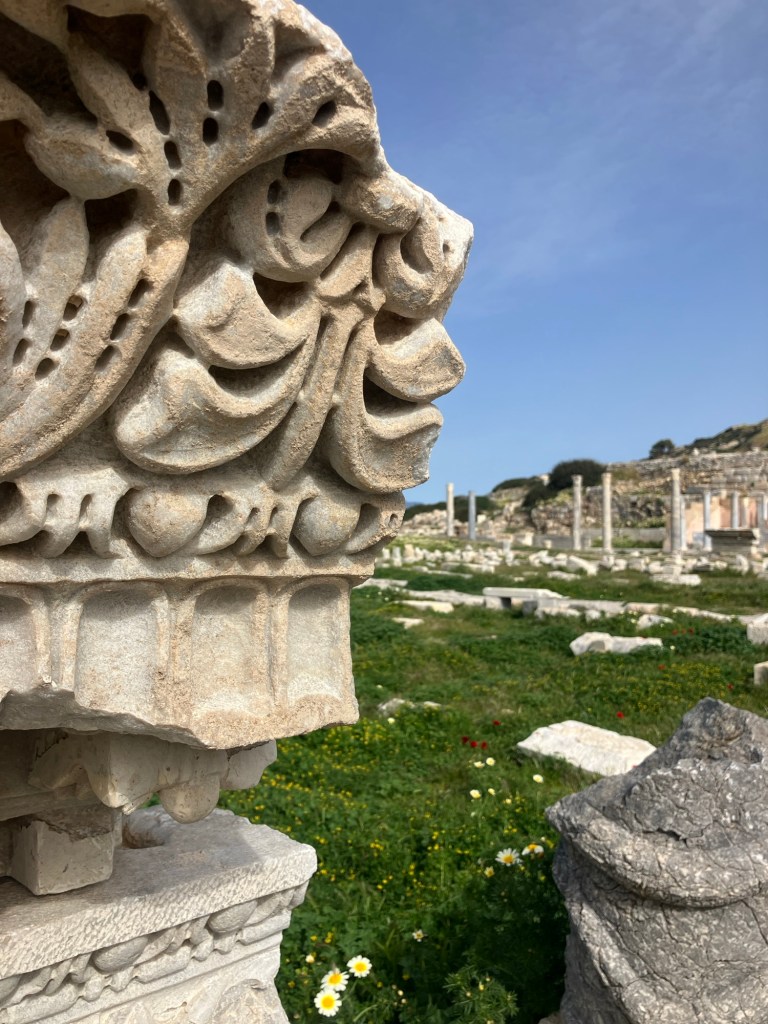
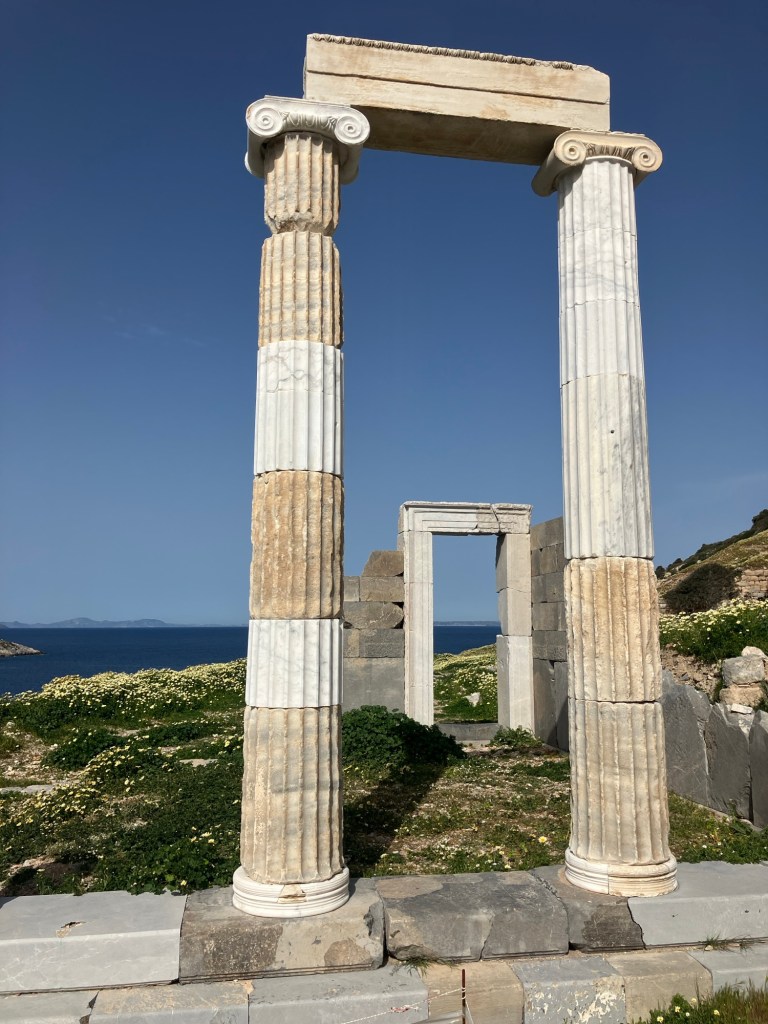
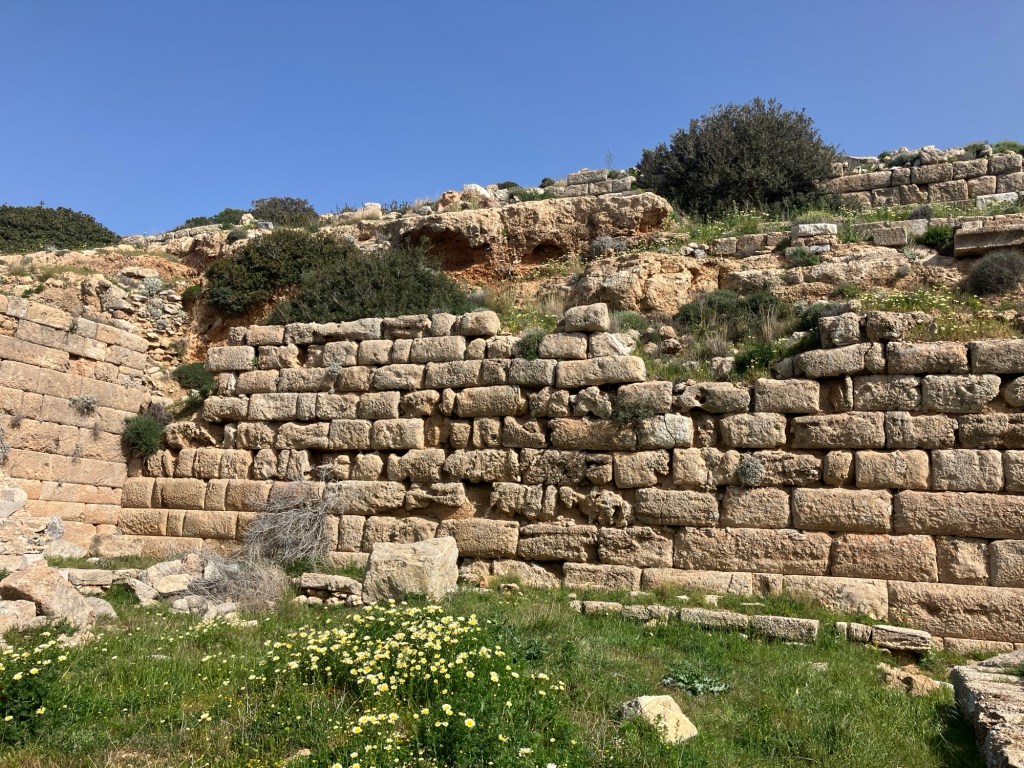
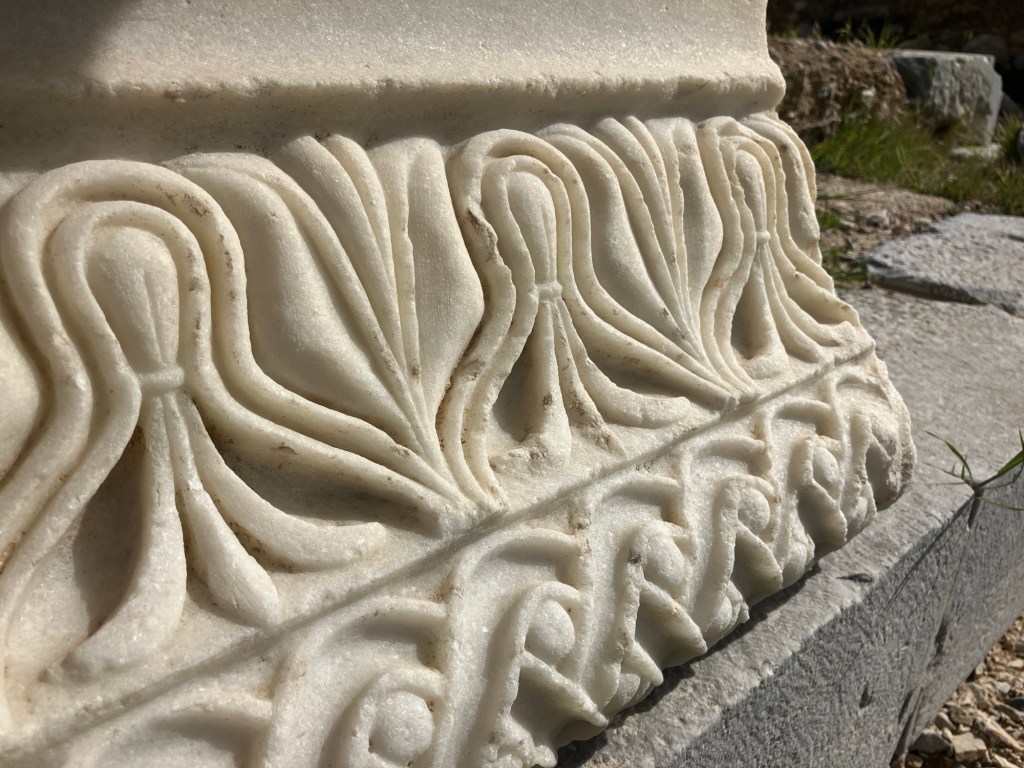
When something is this old and still being ‘re-discovered’ it’s hard to know who built what. It’s no Athens or Rome, it is still clear that once upon a time, this place was something important. The details and complexity of the buildings were staggering.
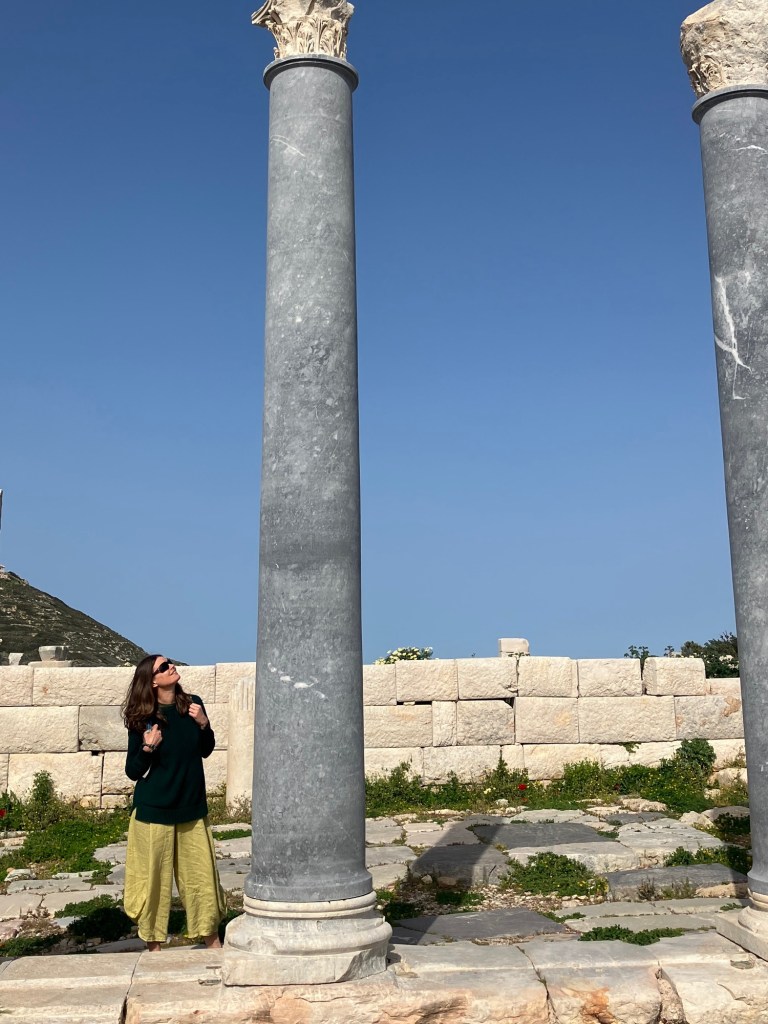
For such ancient buildings, the craftmanship was incredible.
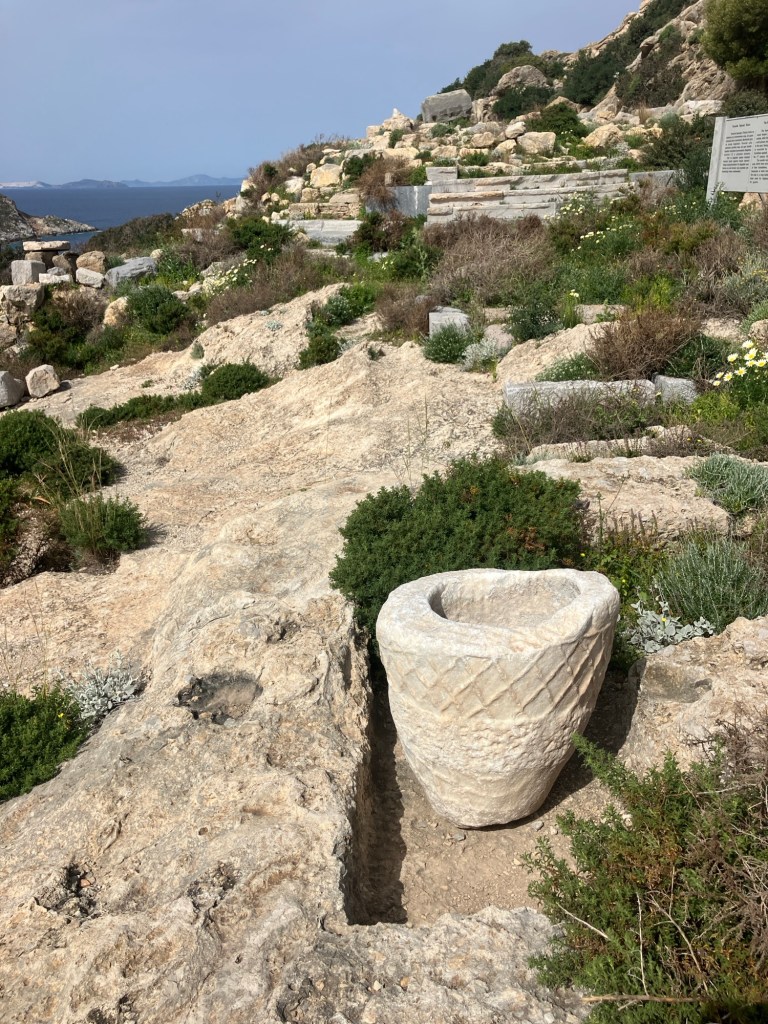
We followed the faint paths that led around the site between the various remains of temples arches and statues.
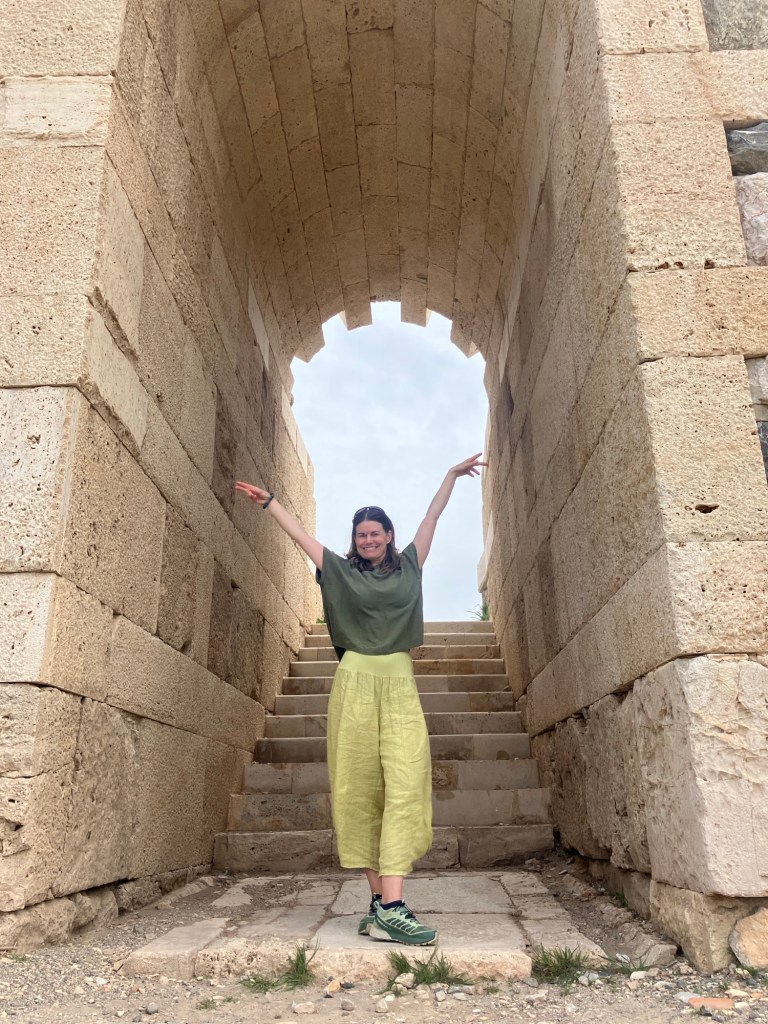
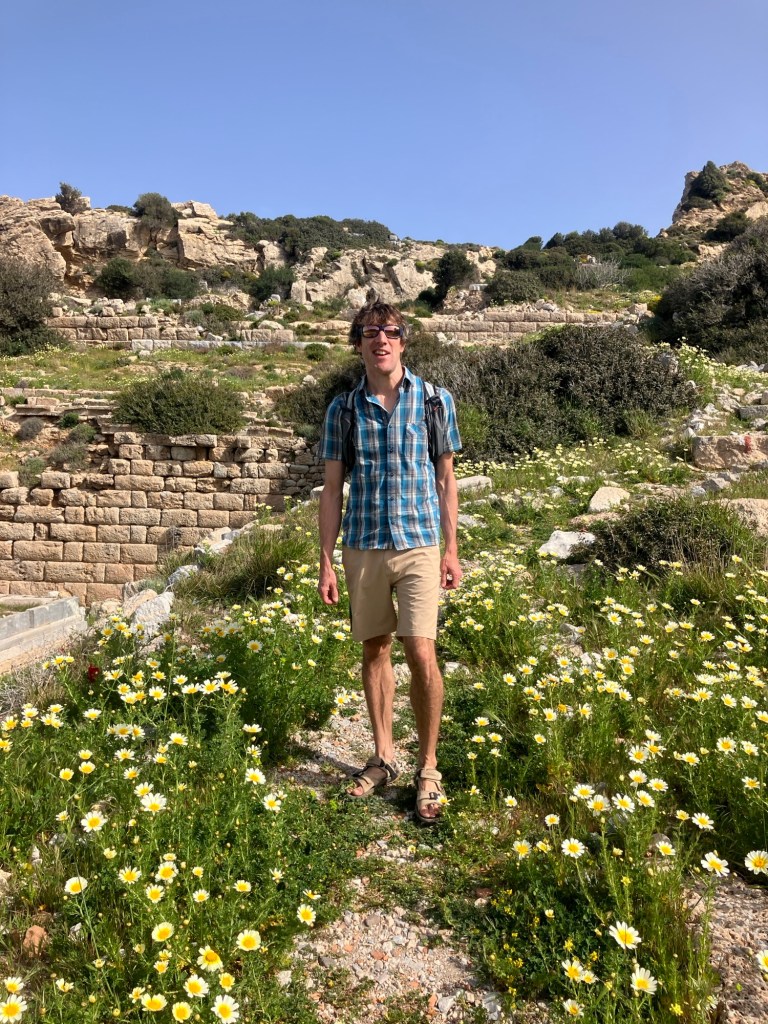
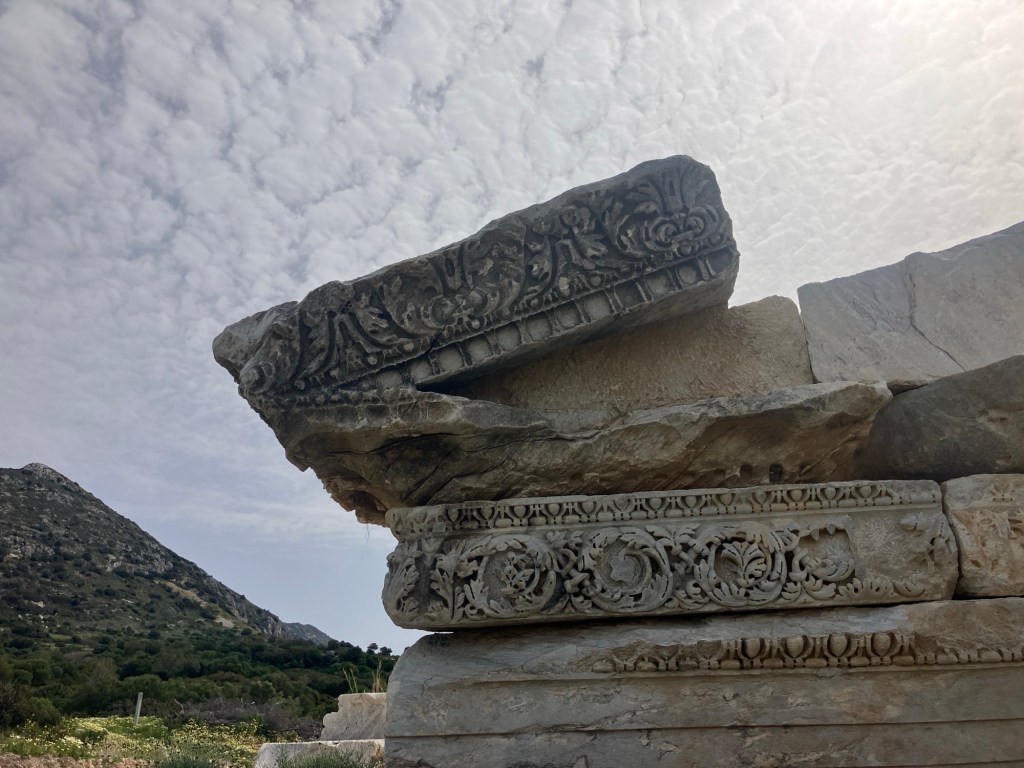
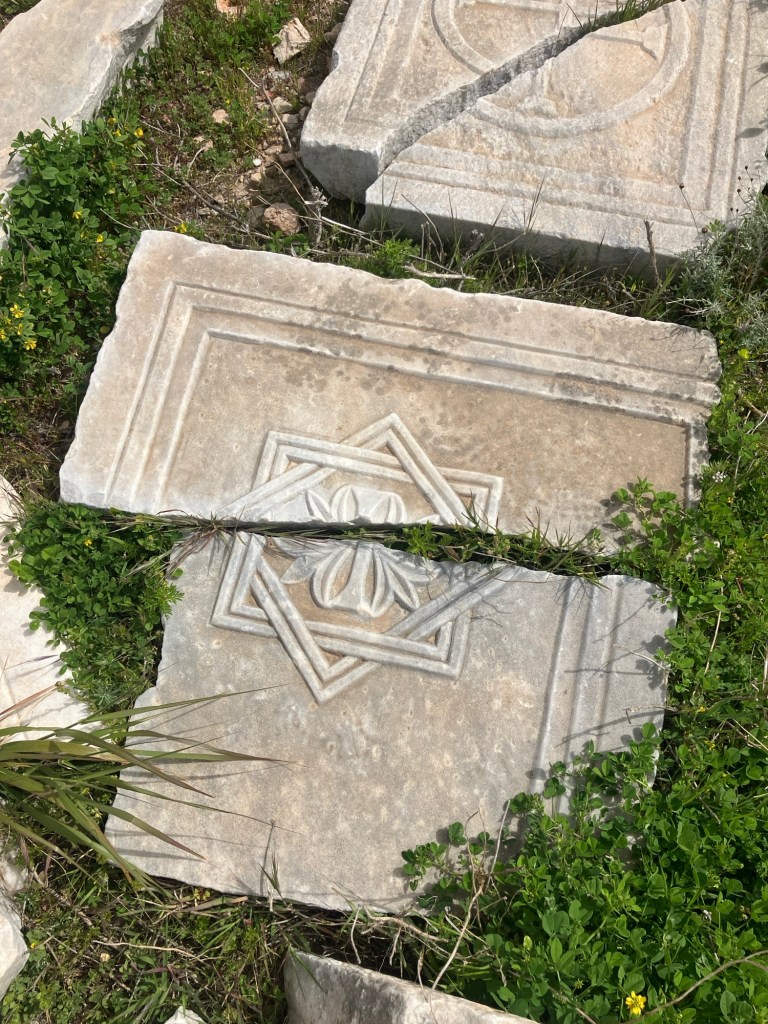
And what a bonus to any history trip…. there looked to be some great snorkelling nearby!
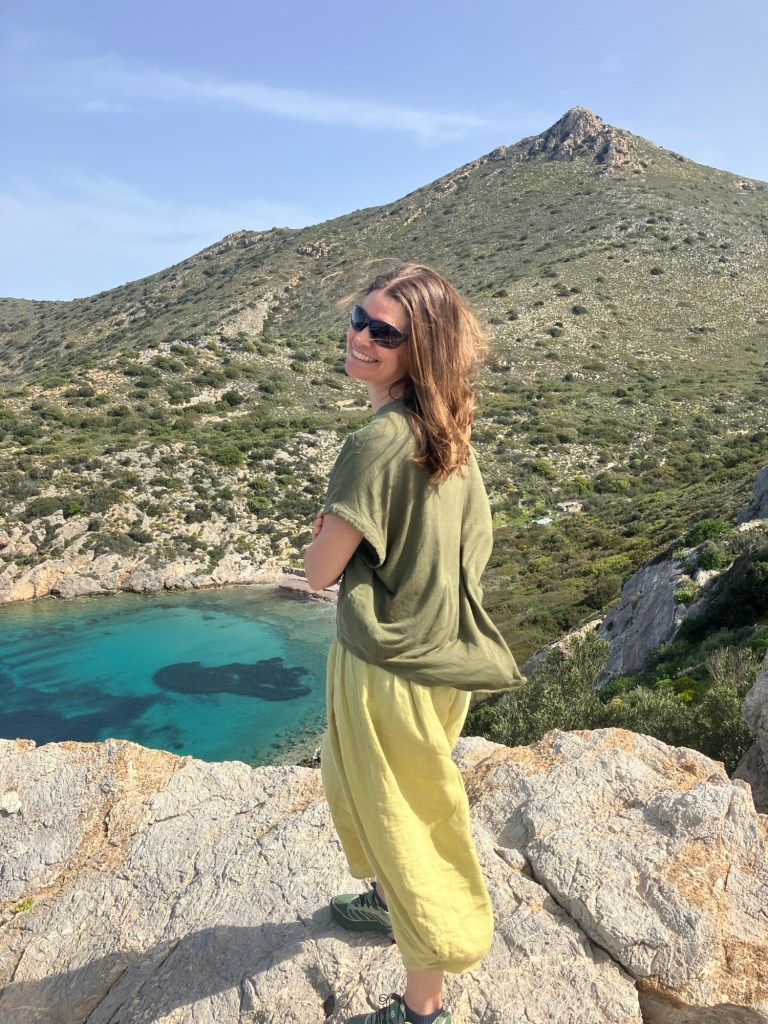
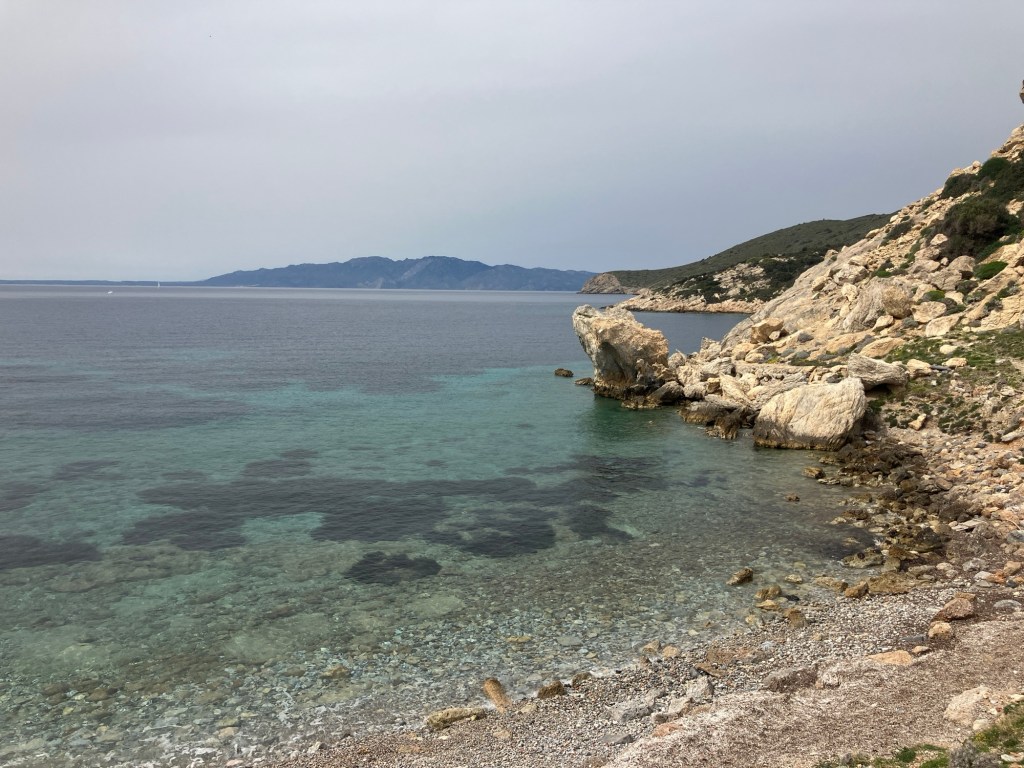
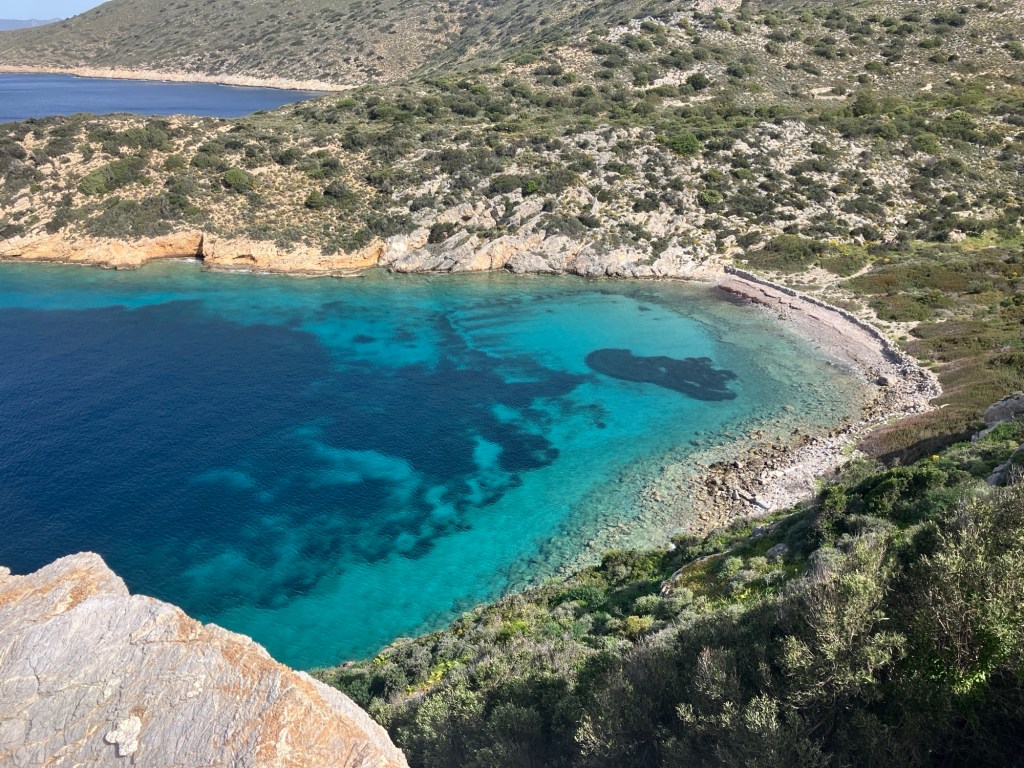
The city extended down to the waters edge and had two opposing harbours. Outside of the harbour walls, were beautiful clear beaches. We chose the nearest one for an afternoon dip! I found some pottery remains and a few carved blocks, but no valuable gold coins or the like, despite many hopeful dives down to the sand.
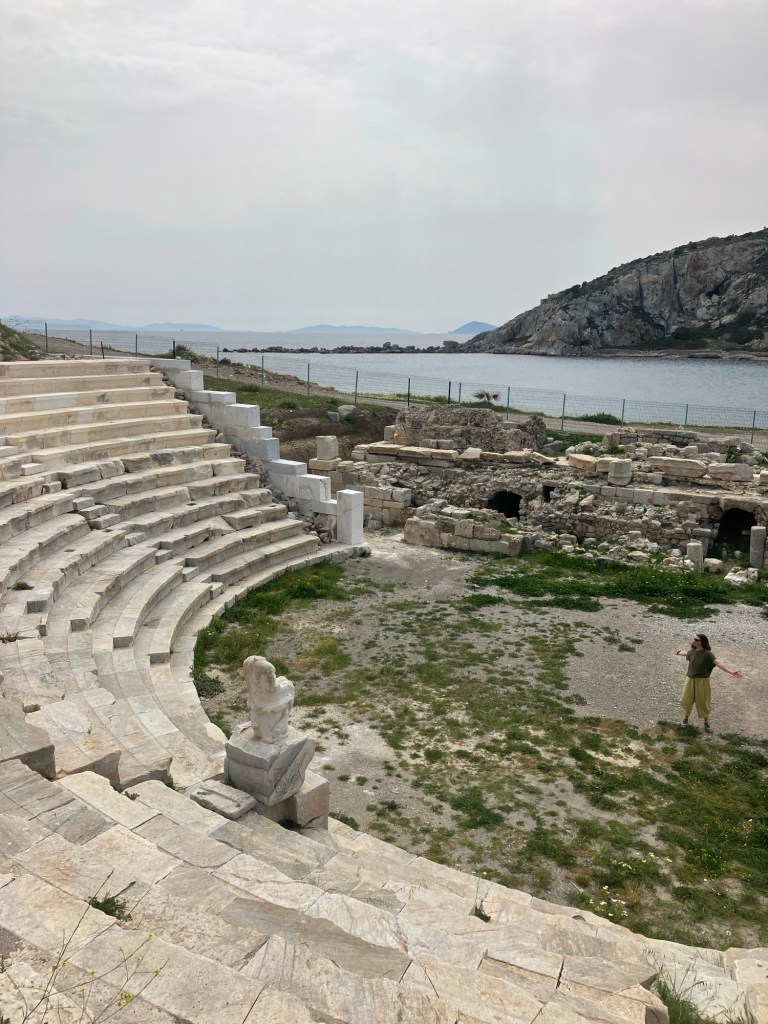
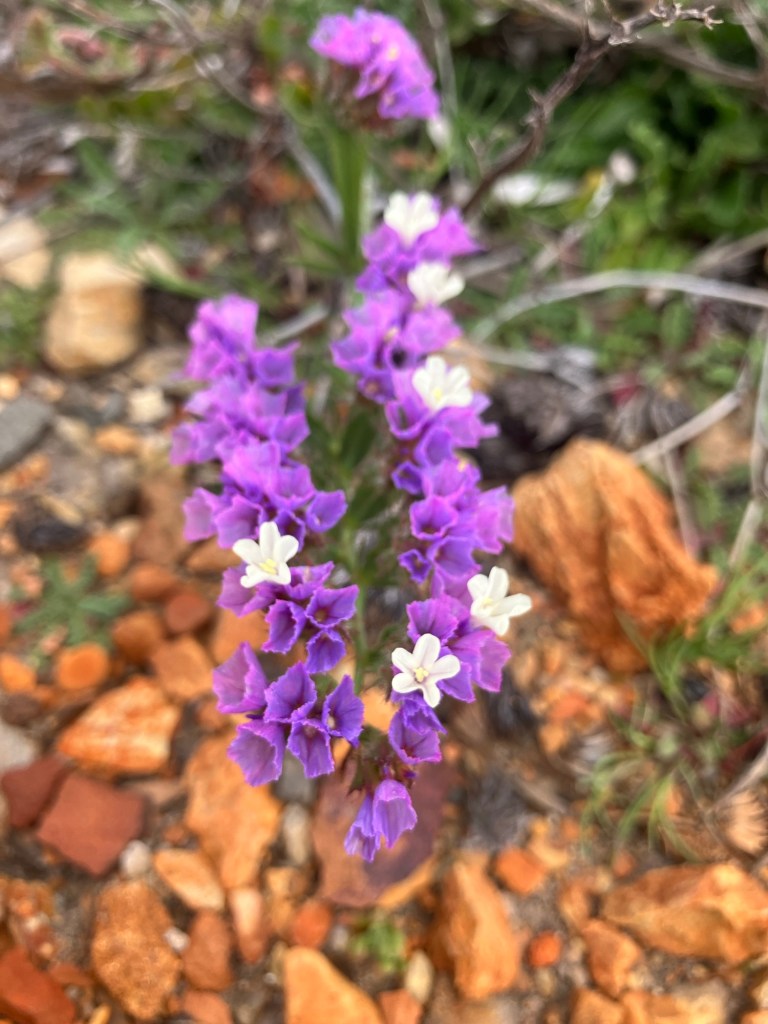
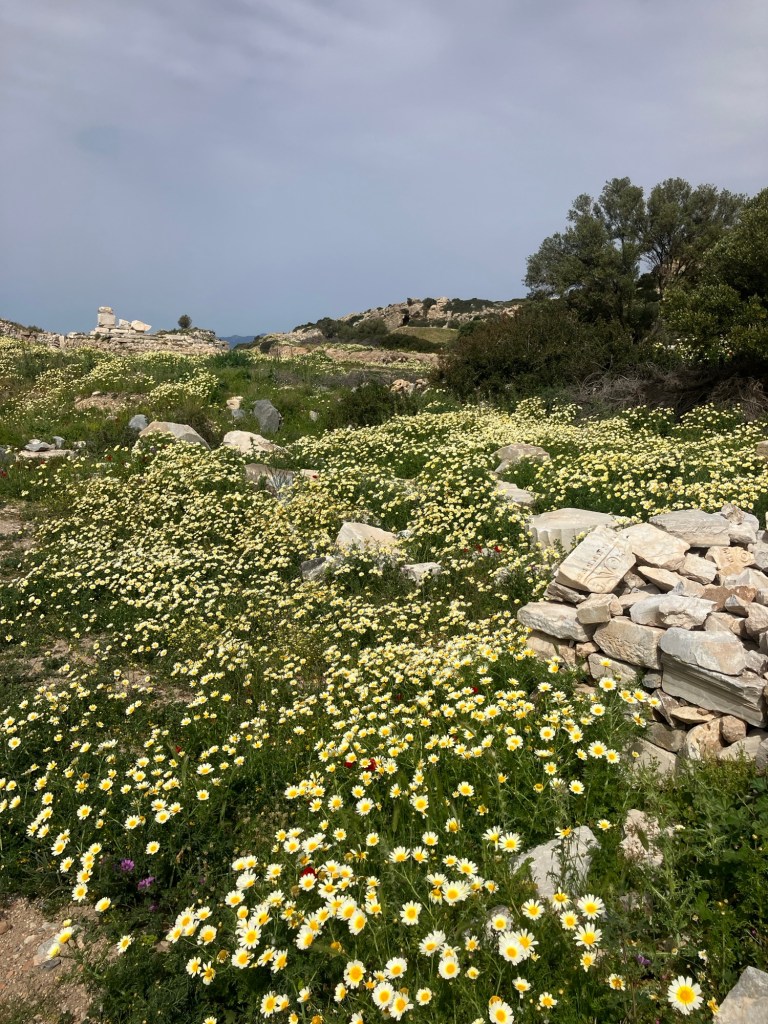
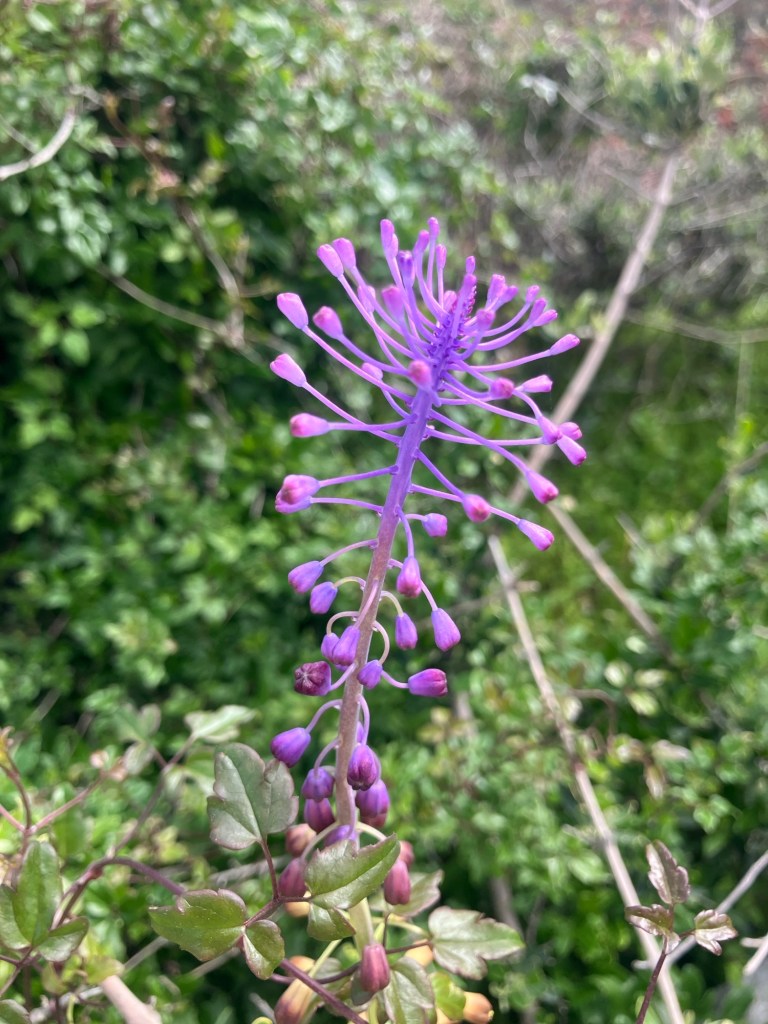
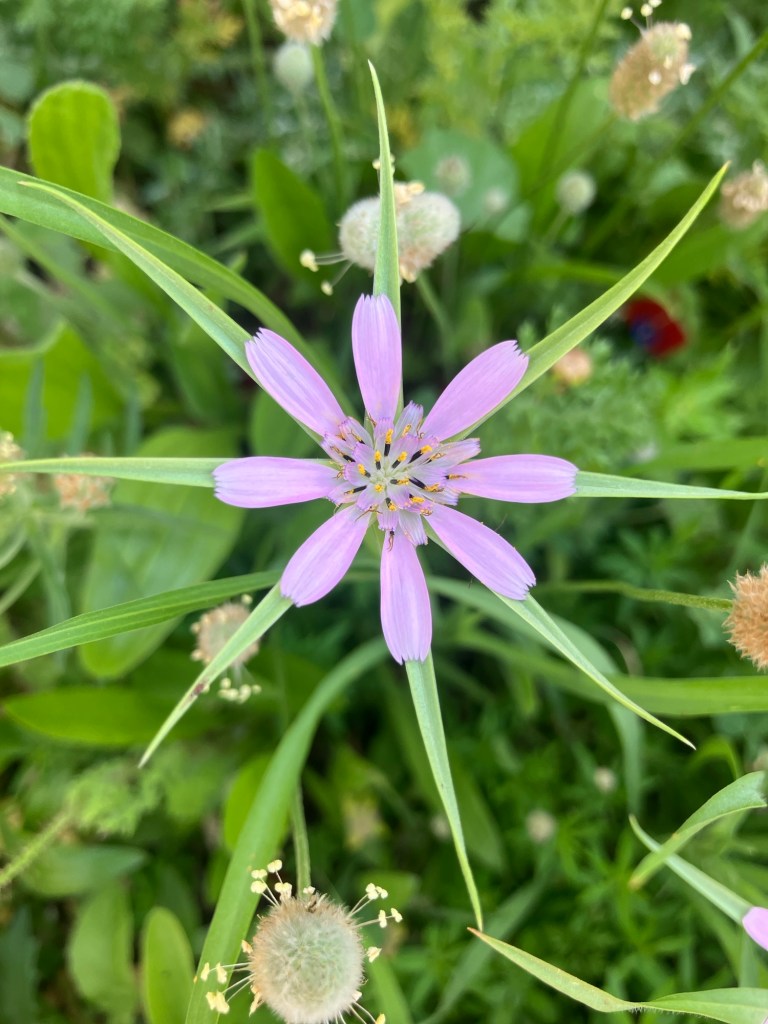
The amphitheatre could seat around 5000 people! It was amazing to see how the acoustics of the shape really meant that a voice from the stage could easily be projected without modern microphones. The site has has various teams of archaeologists visiting since the sixties, with the most recent dig being in 2016. However, while some places are being uncovered, the rest is being overgrown by a massive amount of wild flowers. It won’t be long until it’s all covered over again!
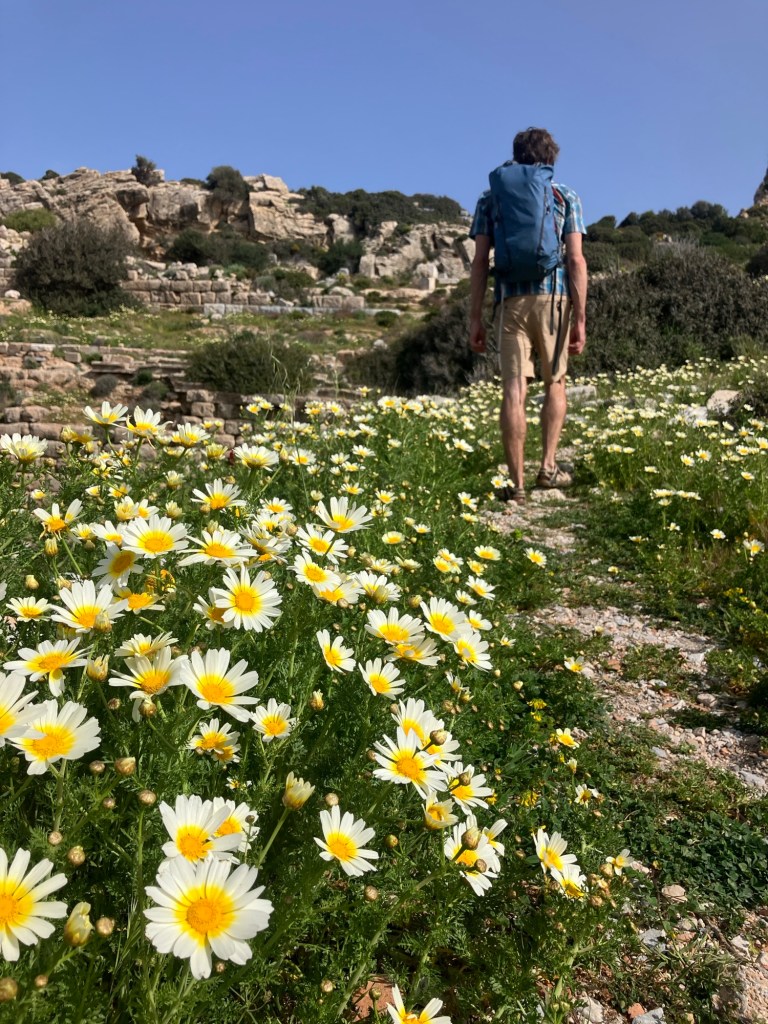
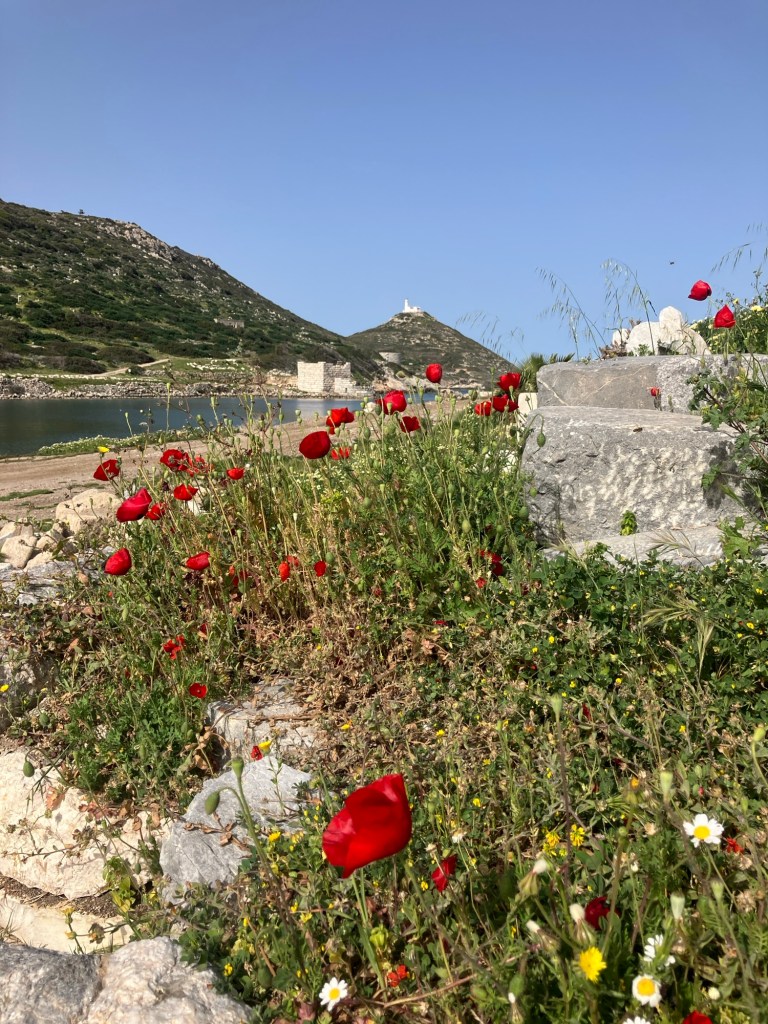
We finished our explorations with a short hike out to the light house on the tip of land past the solid harbour walls.
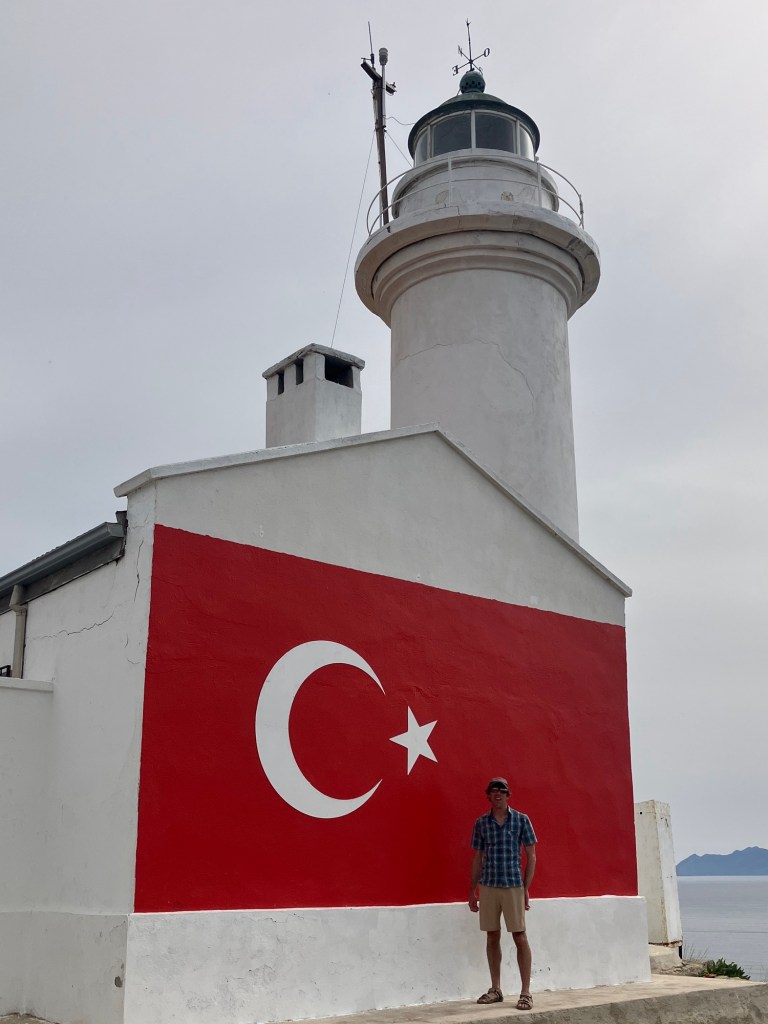
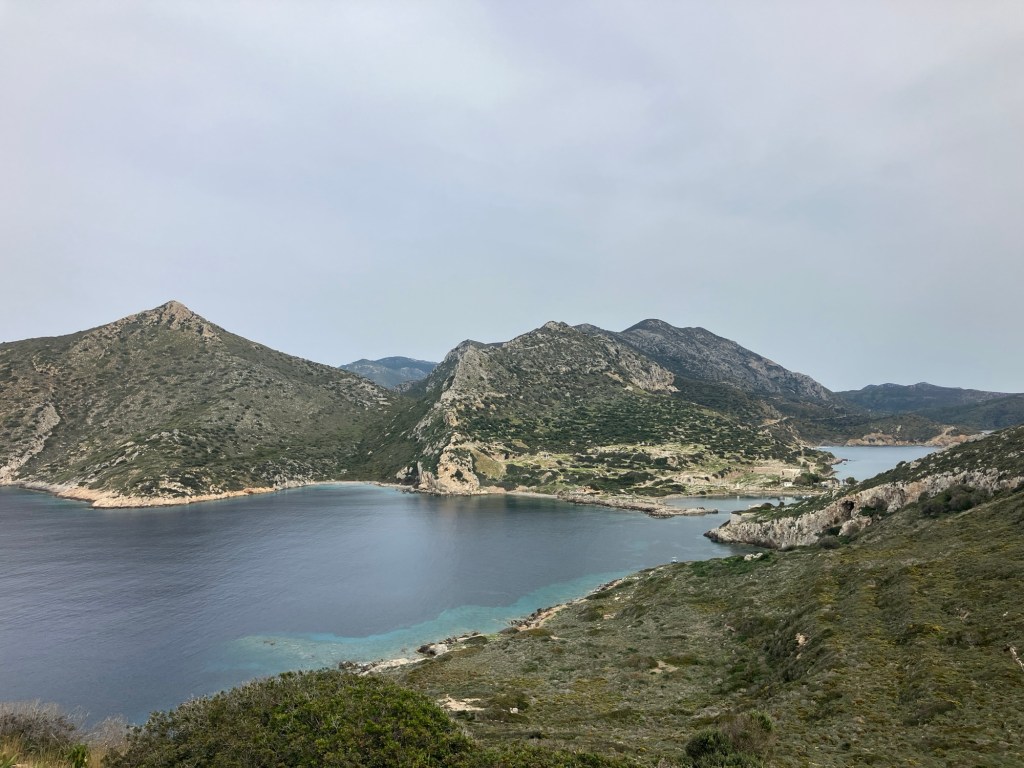
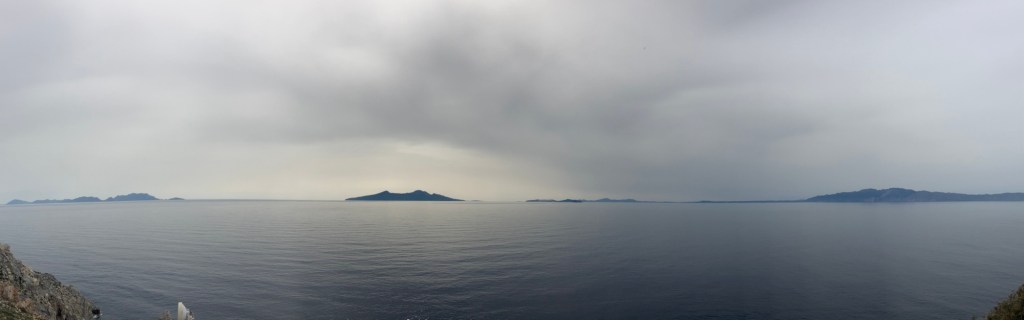
It gave a good view back to the city site as well as over to the Greek Islands which line the horizon in the other direction.
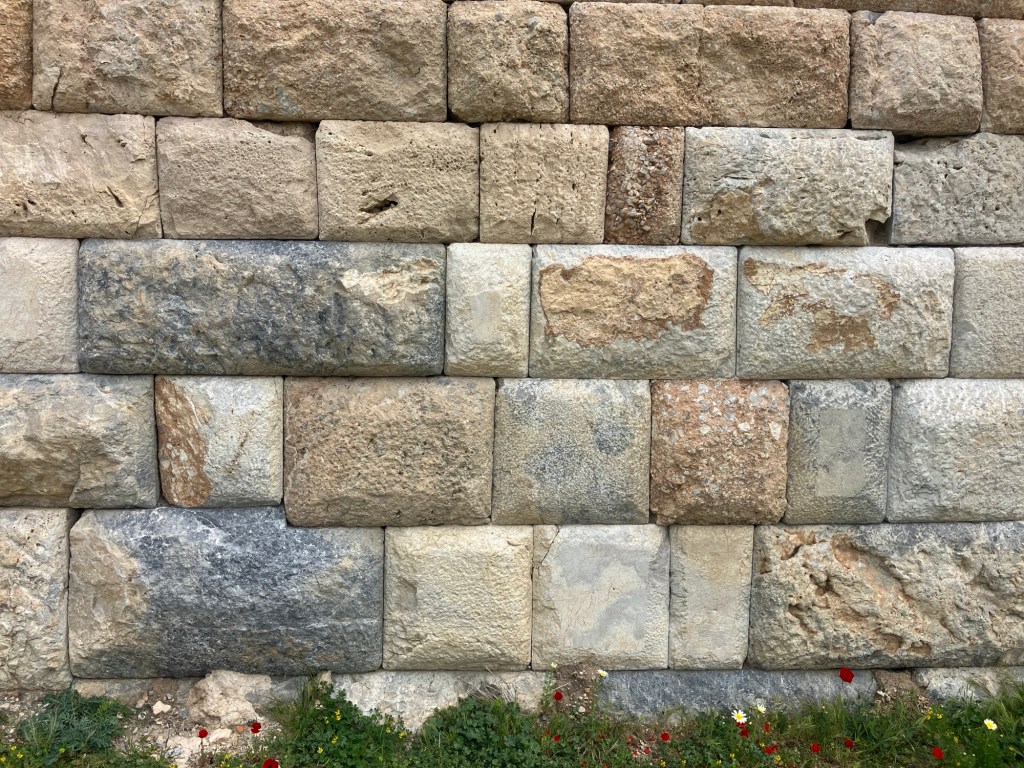
These blocks in the town and harbour walls must have been cut by hand and are all at least a metre high. Not quite Maccu Piccu standards of Peru, but still pretty impressive.
This is the view out to sea of the neighbouring Greek Islands from the light house.
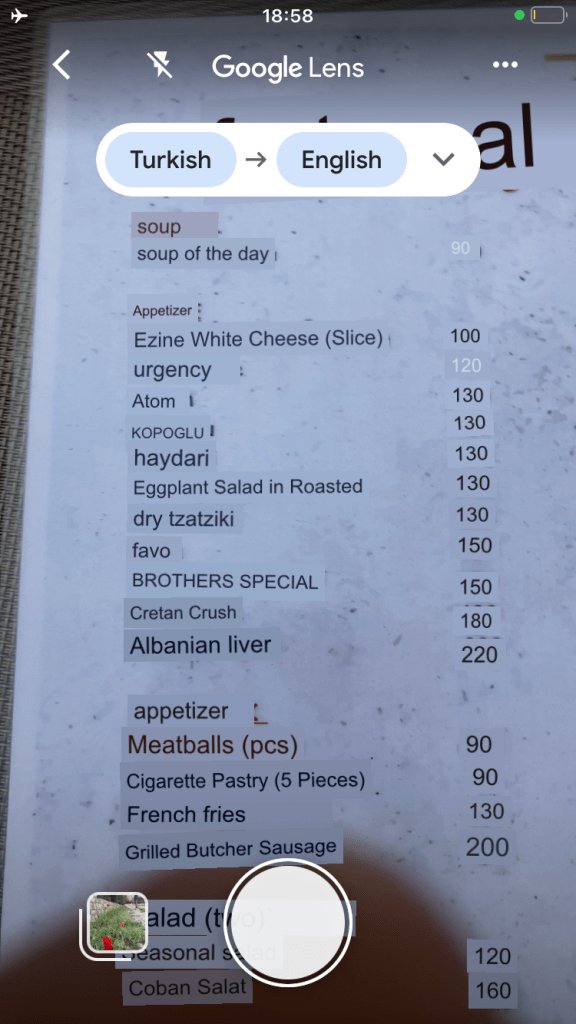
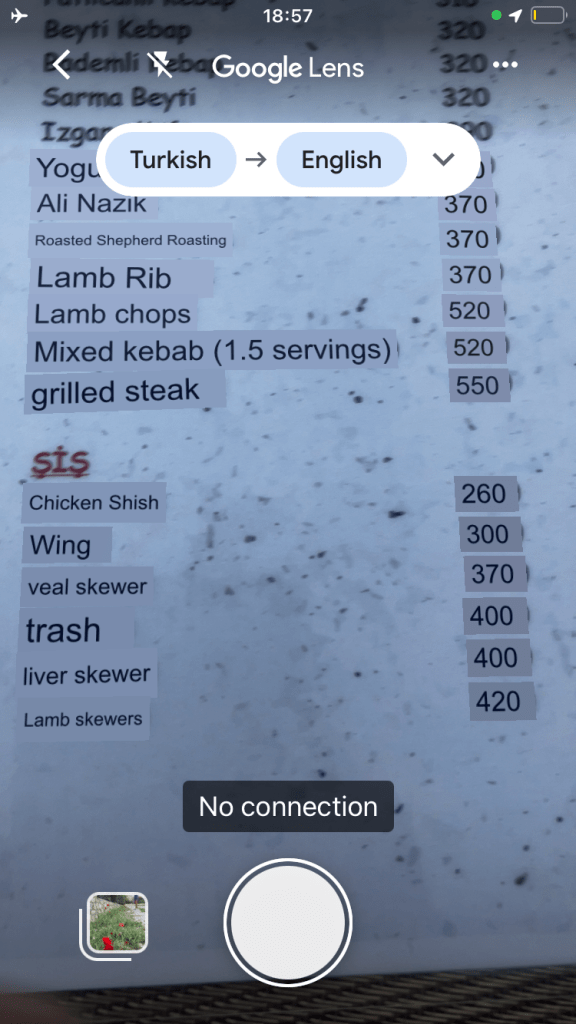
It was getting late by the time we got home, so stopped off at at nearby restaurant for a kebab. It was fresh, delicious and gave some good translation giggles when we tried to order. ‘Cigarette Pastry’ and ‘Trash’ seemed worth avoiding! Ha ha!
 Mountain Lifestyle
Leave a comment